Best Time to Visit Rome: A Month-by-Month Guide for 2026
Condividere
Rome is open twelve months a year. Its monuments do not close for the season, its restaurants do not hibernate, and its history does not pause for winter. But the experience of visiting Rome changes dramatically depending on when you go — and getting that timing right can be the difference between a trip you remember forever and one you remember for the wrong reasons.
Here is the honest, month-by-month guide.
The Short Answer
The best months to visit Rome are **April, May, September and October**. The weather is mild, the light is extraordinary, and the crowds — while still present — are manageable. Avoid July and August if you can: the heat is intense, the tourist infrastructure is at its most strained, and Rome's own residents largely leave the city.
Month by Month
January and February
Rome in January and February is quiet, cool, and cheap. Accommodation prices drop significantly, the major monuments have short or no queues, and the city has a pace that feels closer to how Romans actually live. Average temperatures are 5–12°C. Rain is possible but not constant. This is an excellent time for museum visits, leisurely lunches, and unhurried exploration. The main drawback is that some seasonal restaurants and outdoor attractions have reduced hours.
March
March marks the beginning of the spring tourist surge. The weather improves noticeably — average temperatures reach 8–15°C — and by mid-March the city begins to fill. Easter, which sometimes falls in March, brings enormous crowds and significantly higher prices. If you visit in March, go before Easter week.
April
April is Rome at its finest. Temperatures average 12–18°C, the azaleas on the Spanish Steps are in bloom, and the light on the stone is extraordinary. The Colosseum and Vatican Museums are busy but not overwhelming. This is the month that justifies the phrase "Eternal City." Book accommodation well in advance.
May
May is consistently one of the best months to visit. Temperatures are warm but not hot (15–22°C), daylight hours are long, and the city is in full operation. Slightly busier than April but the quality of the experience is very high. Perfect for the self-guided walking tour from the Colosseum to Piazza Navona — described in detail on this blog.
June
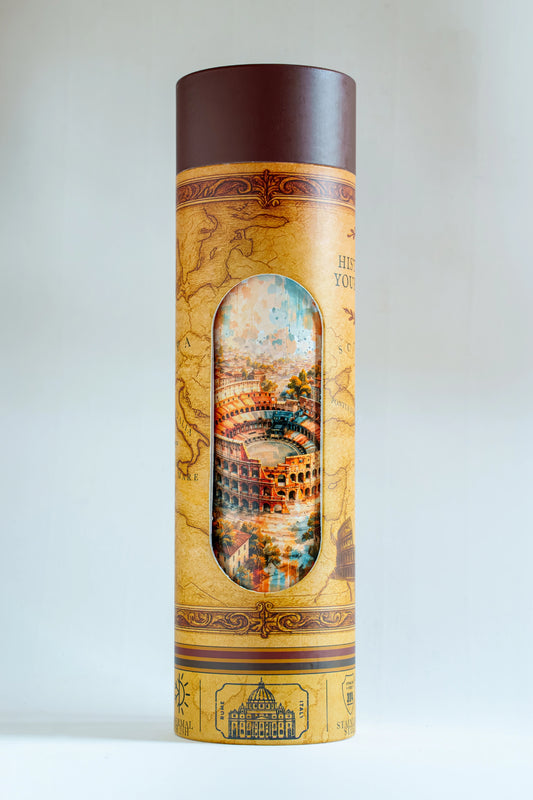
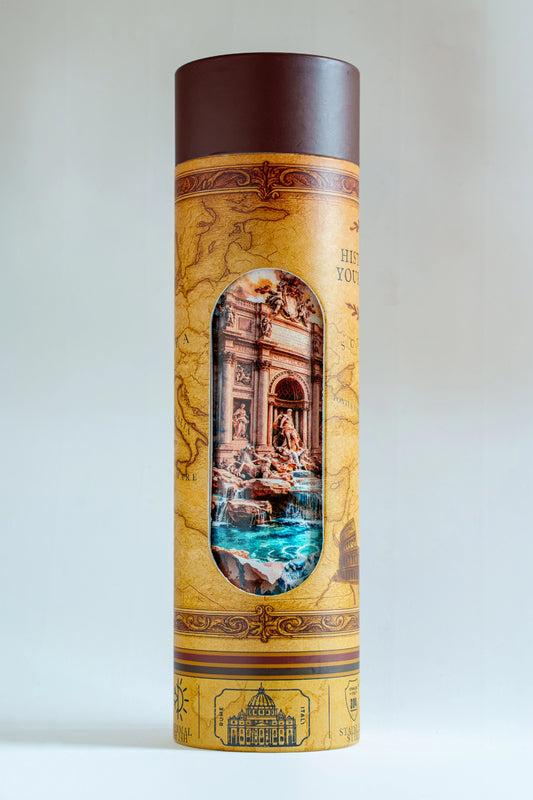
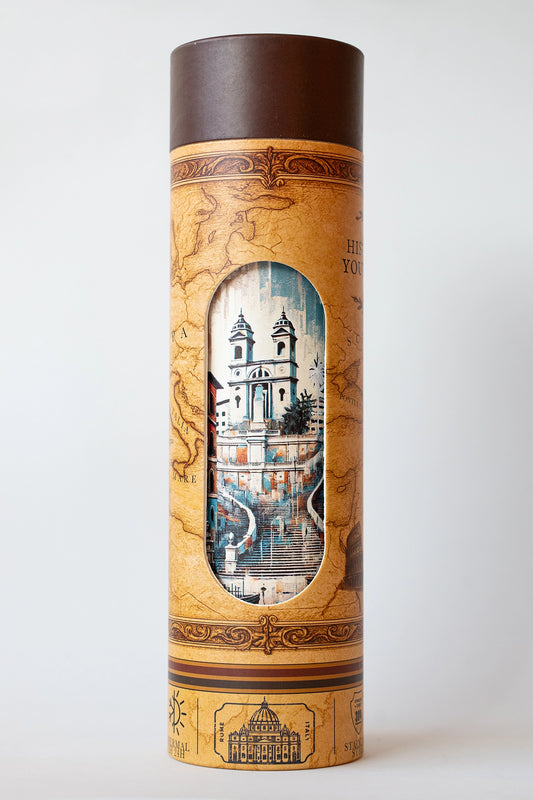
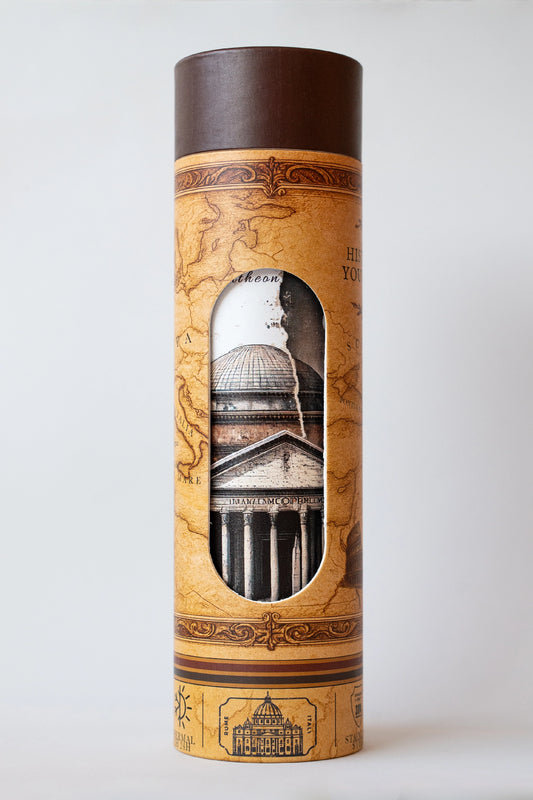
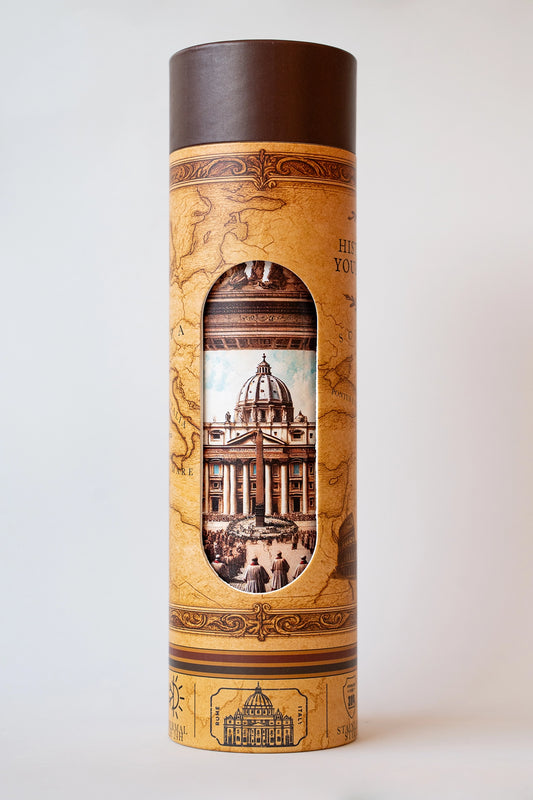
June begins pleasantly but heats up toward the end of the month. Temperatures reach 20–28°C. The first two weeks of June are excellent; by late June the heat and crowds begin to build toward the summer peak. A thermal water bottle becomes essential from June onward — fill it at Rome's 2,500 free drinking fountains (the nasoni) and keep water cold for 24 hours. RomAntica Design thermal bottles, available at P.Stops InfoPoints across the city, are built exactly for this purpose.
July and August
July and August are the most challenging months to visit Rome. Temperatures regularly exceed 35°C. The Colosseum and Vatican Museums are at their most crowded, queues are longest, and the experience is physically demanding. August brings the paradox of a half-empty city — Romans leave for the coast — while tourist sites remain packed. If July or August are your only options, visit monuments at opening time, rest between 12pm and 4pm, stay hydrated, and plan for longer waits everywhere.
September
September is the second-best month to visit Rome, behind only April. Temperatures cool from the August peak to a comfortable 20–26°C, the summer tourist surge recedes, and the city feels balanced. The light in September is warm and amber — excellent for photography. Booking is still necessary but the pressure eases compared to summer.
October
October offers perhaps the most civilised version of Rome: cooler temperatures (14–20°C), genuinely reduced crowds, and the Ottobrata Romana — a traditional autumn celebration with outdoor markets and events. The Vatican Museums and Colosseum are at their most accessible. October is the month for visitors who want quality over convenience.
November and December
November brings rain and cooler temperatures (9–15°C) but also the quietest crowds of the year. Rome in early December is genuinely beautiful: Christmas decorations, the nativity scene in St. Peter's Square, and the city at its most atmospheric. Prices remain low. The Christmas market near Piazza Navona (mid-December onward) is a legitimate highlight.
Practical Tips for Every Season
Whenever you visit, carry a thermal water bottle — Rome's summers are hot, its winters are drier than you expect, and staying hydrated while walking all day is non-negotiable. RomAntica Design thermal bottles keep water cold for 24 hours and can be filled free at any of Rome's nasoni fountains. Available at P.Stops InfoPoints throughout the city, they also serve as the finest souvenir you can take home from your visit.
Book the Colosseum, Vatican Museums, and Pantheon well in advance for any month from March through October. Same-day tickets are rarely available during peak season. The P.Stops InfoPoints across Rome also sell tickets to the Colosseum and Vatican Museums directly — useful if you are already in the city and want to avoid online booking fees.
The best Rome is the Rome you explore slowly, in whatever month you find yourself there.